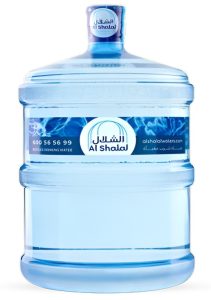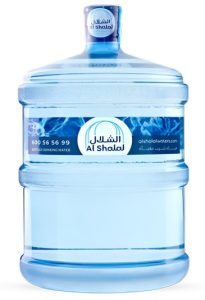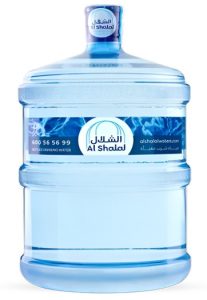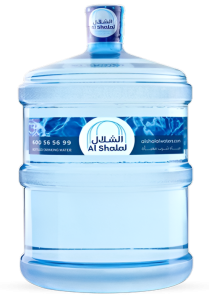
That trusty bottle sitting on your desk has probably traveled further than you realize, and it may be past its prime. At Al Shalal Water, we get asked all the time how long a water bottle should actually last. Here is a clear answer, along with the signs that tell you it is time for a new one, so you never have to guess.
Table of Contents
ToggleKey Takeaways
- Reusable bottles need replacing sooner in Dubai’s heat than in cooler climates.
- Cracks, cloudiness, and lingering odors are all signs a bottle is done.
- Five gallon bottles are only safe to refill a limited number of times.
- Cleaning helps, but it cannot fix a bottle that has physically broken down.
Why Bottle Age Matters More in Dubai’s Heat
Plastic behaves differently once temperatures climb, and Dubai spends a good part of the year well above the range most plastics are designed for. Heat speeds up the breakdown of polycarbonate and PET plastics, which is part of why the Emirates Standardisation and Metrology Authority has focused specifically on how bottled water containers are handled at high temperatures. A water bottle that would last years in a milder climate may need replacing much sooner here, simply because of repeated heat exposure during storage and delivery. Cars, balconies, and warehouse storage all subject bottles to conditions well beyond what a typical bottle was designed to withstand, even briefly.
Signs Your Reusable Bottle Needs Replacing
Most people wait far too long to retire a bottle, mainly because the damage is not always obvious at first glance. A bottle can look perfectly fine from across the room while already harboring problems up close. Watch for these signs:
- Visible cracks or stress lines, especially near the base or cap threads.
- A cloudy or scratched appearance that will not clean away.
- A persistent odor that lingers even after a thorough wash.
- A cap or seal that no longer closes tightly.
- Discoloration around the base, where residue tends to settle over time.
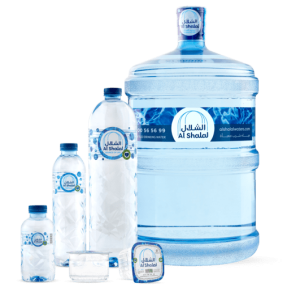
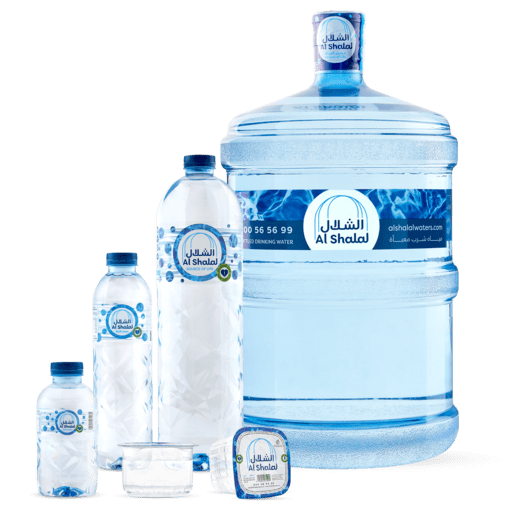
Reusable 5 gallon water containers remain a smart choice, provided they are retired at the right time.
How Often Should Five Gallon Bottles Be Refilled?
Five gallon polycarbonate bottles are not meant to be refilled indefinitely. Reporting in Gulf News on new UAE regulations for bottled water containers outlined how authorities introduced smart tracking specifically because repeated refilling beyond a set limit can release substances from the plastic into the water. The Emirates News Agency has also reported on the federal standards behind this system, confirming that bottles exceeding the permitted refill count are automatically pulled from circulation. This is exactly why we track and rotate bottles through our own supply chain rather than leaving refill limits to chance. It also means the bottle delivered to your door has a documented history, not an unknown number of refills behind it.
Cleaning Versus Replacing: Knowing the Difference
A good clean solves some problems, but not all of them. Washing removes surface residue and reduces bacterial buildup, yet it cannot repair a bottle that has already started to degrade structurally. If a bottle still looks and feels sound after cleaning, keep using it. If cleaning does not restore its appearance or the smell keeps coming back, that is your answer. Treating cleaning and replacing as two separate decisions, rather than assuming one solves the other, avoids a lot of unnecessary second guessing. A simple monthly check, alongside your regular wash routine, is usually enough to catch problems early.
Warning Signs Worth Taking Seriously
Beyond the obvious physical wear, a few subtler signs are worth paying attention to. Khaleej Times coverage of hospital led sustainability efforts around reusable bottles in Dubai notes that regularly monitored refill stations and containers are cleaned and checked on a set schedule, which is a good habit to borrow for personal bottles too. Goumbook, a UAE based sustainability organization behind several bottle reduction campaigns has made a similar point about container upkeep being just as important as choosing reusable in the first place. A change in how water tastes, even when nothing looks visibly wrong, is often the earliest signal that a bottle needs attention. Trust that instinct rather than waiting for a visible crack to confirm it.
Don’t Forget Your Water Cooler or Dispenser
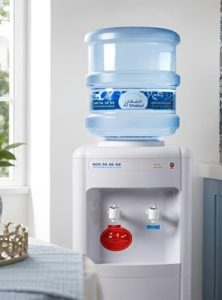
The bottle is not the only part of the system that ages. Dispensers and coolers need regular attention as well, since internal components can harbor buildup even when the exterior looks spotless. Al Etihad’s coverage of household drinking water habits across the UAE found that the vast majority of UAE households rely on bottled water as their primary source, which makes proper equipment maintenance a household habit worth taking seriously, not an afterthought. Emaar’s own commitment to phasing out single use plastic across its Dubai developments reflects the same principle at a much larger scale, treating reusable systems as something that needs ongoing care, not a one time purchase. A dispenser that has not been cleaned in months can undo the benefit of even a brand new bottle sitting on top of it. Products range at Al Shalal Water includes dispenser friendly options designed to make this easier to manage.
Conclusion
Knowing when to replace a water bottle protects both your health and your water quality, especially in a climate as demanding as Dubai’s. If you are ready to upgrade your home or office setup, contact us today, and our team will help you find the right products for your needs, from bottles to full dispenser setups.
FAQs:
Most reusable bottles should be replaced every 6 to 12 months, sooner if visibly damaged.
Minor surface marks are usually fine, but deep scratches can trap bacteria and should be replaced.
Yes, high temperatures accelerate plastic breakdown, which is especially relevant in Dubai’s climate.
Regulated refill limits exist precisely because repeated reuse beyond a certain point becomes unsafe.
A lingering odor or taste that survives a proper wash is usually the clearest warning sign.
Yes, regular cleaning slows bacterial buildup, though it cannot reverse physical wear or cracking.