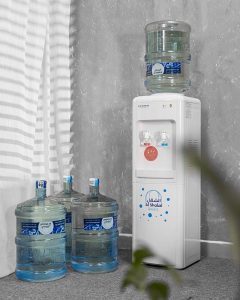
A water dispenser makes staying hydrated easy at home or in the office, until something stops working. Leaks, warm water, strange tastes and slow flow are frustrating but usually simple to fix. At Al Shalal Water, we have supplied pure drinking water to homes and businesses across the UAE since 1998. This guide covers the most common dispenser problems and practical solutions.
Table of Contents
ToggleKey Takeaways
- Most dispenser problems come from poor cleaning, placement or bottle setup.
- Regular sanitizing prevents odors, bad tastes and bacteria.
- Heat and sunlight affect both water quality and cooling.
- Electrical faults should always be handled by a technician.
- Quality water and proper storage reduce many common issues.
Why Dispenser Care Matters in the UAE
Water dispensers work hard in the UAE. High temperatures, dust and constant daily use place extra demands on every unit.
The heat is intense. Nukta reported temperatures approaching 50°C in parts of the UAE in April 2025, with 46.6°C already recorded in Fujairah. Conditions like these affect how well a dispenser cools and how safely bottles are stored.
Staying hydrated is essential in these conditions. Arabian Business reported that the National Centre of Meteorology advises residents to drink plenty of fluids and avoid direct sun during peak hours as temperatures climb.
Hygiene standards are also taken seriously in Dubai. Dubai Municipality carried out 34,700 inspection visits to food establishments in the first half of 2025 alone.
Here are the problems we hear about most, along with clear solutions.
1. Water Leaking From the Dispenser
A small puddle under your dispenser is one of the most common complaints. Leaks usually come from the bottle, the valves or the internal reservoir.
Common causes include:
- A cracked or damaged bottle
- A bottle that is not seated correctly
- Worn seals or faucet valves
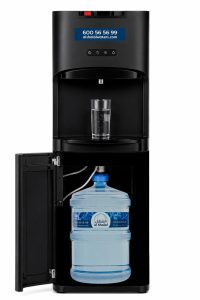
- A loose cap or damaged probe on bottom loading units
- An overfilled drip tray
Solution: Remove the bottle and check for cracks. Reseat it carefully and inspect the faucet area. Empty the drip tray often. If the leak continues, the seals or valves may need replacing.
2. Water Is Not Cold Enough
If your cold water feels lukewarm, the cooling system may be struggling to keep up.
Possible causes:
- The cooling switch at the back is turned off
- The unit is placed in direct sunlight
- There is not enough space behind the dispenser for airflow
- Dust has built up on the rear condenser coils
- Heavy use has drained the cold reservoir
Solution: Check the switches first. Move the unit away from windows and heat sources, and leave at least a few inches of space behind it. Gently clean dust from the back. Allow time for the water to cool again after heavy use.
3. Hot Water Is Not Heating
A hot tap that only delivers room temperature water often points to a simple setting issue.
Solution: Make sure the heating switch is on and the unit is plugged in securely. Some dispensers have a reset button for the heating element. If water still does not heat, the thermostat or heater may need professional repair.
4. Unpleasant Taste or Odor
Water that tastes stale or smells odd is usually a sign that the dispenser needs cleaning. Bacteria and biofilm can build up in the reservoir, taps and drip tray.
Research shows how storage affects water quality in the UAE. A study published in Environmental Engineering Research by Zayed University found that 18 of 40 household water tanks tested in Dubai had bacterial levels above accepted standards.
Storage worries also shape drinking habits. A survey of 891 respondents published in the Global NEST Journal by UAE University researchers found that concerns about contamination, including from household storage tanks, help explain why many residents prefer bottled water.
Solution: Clean and sanitize your dispenser every three to six months, or more often with heavy use. Follow these steps:
- Unplug the dispenser and remove the bottle.
- Drain the reservoirs through the taps.
- Prepare a mild cleaning solution, such as diluted vinegar or a food safe sanitizer.
- Clean the reservoir and let the solution sit as directed.
- Rinse thoroughly with clean water several times.
- Wash the drip tray and taps separately.
- Reinstall a fresh bottle and run water before drinking.
5. Slow or No Water Flow
When water trickles slowly or stops completely, there is usually a blockage or airflow problem.
Possible causes:
- An empty or nearly empty bottle
- An air lock in the reservoir
- Mineral buildup in the taps
- A bottle that has not been punctured properly on top loading units
Solution: Replace the bottle if it is empty. Remove and reseat the bottle to release trapped air. Clean the taps to remove buildup. On bottom loading models, check that the probe is connected correctly.
6. Electrical Problems
Flickering lights, tripping breakers or a burning smell should never be ignored.
Electrical safety is a serious issue in UAE homes. Khaleej Times reported that authorities link many fires to overloaded plug points, poor quality extension cables and a lack of appliance maintenance.
Dubai also sets strict rules for public water coolers. Dubai Municipality requires these units to be grounded, use three pin sockets and keep cables separate from water pipes. It also requires filters to be replaced at least every six months.
Solution: Plug your dispenser directly into a wall socket, avoid extension cords and keep the area around it dry. If you notice any electrical fault, unplug the unit immediately and contact a qualified technician.
7. Problems Caused by the Bottle Itself
Sometimes the issue is not the dispenser but the bottle. Old, scratched or poorly stored bottles can affect taste and quality.
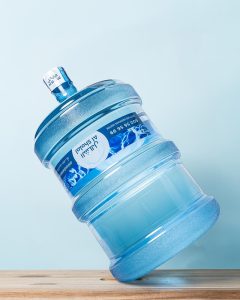
Dubai has clear rules on bottle reuse. According to research, Dubai Municipality limits five gallon bottles to 33 refills, with a tracking system that rejects bottles over the limit. Storage also matters. Keep bottles out of direct sunlight and away from chemicals or strong odors.
Tips to Prevent Dispenser Problems
- Place the dispenser in a cool, shaded area
- Clean and sanitize the unit every few months
- Wipe the taps and drip tray weekly
- Use bottles from a trusted, certified supplier
- Avoid touching the bottle opening when changing bottles
- Drain and clean the unit if unused for over a week
Older research also highlights the role of maintenance. Bacteria can build up in poorly maintained water tanks, which is why regular cleaning matters for any stored water system.
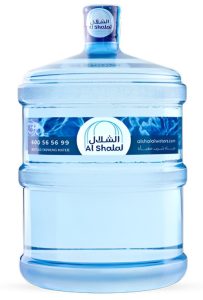
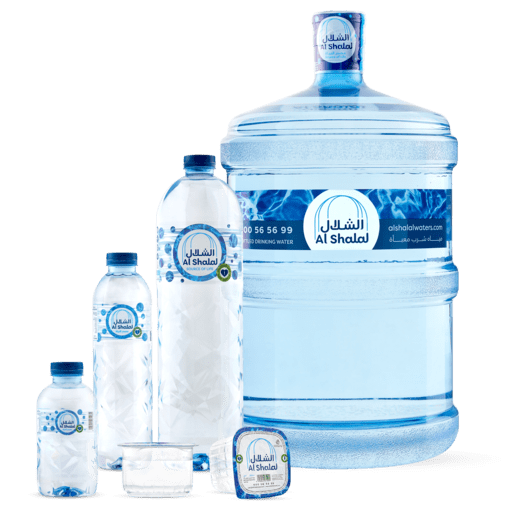
Choosing a range of quality bottled water products, including 5-gallon bottles for homes, makes a difference too.
Conclusion
Most water dispenser problems, from leaks and warm water to bad tastes and slow flow, can be solved with regular cleaning, correct placement and quality bottles. Electrical faults should always be handled by a professional. With the right care, your dispenser will deliver fresh water every day. Contact us today to arrange reliable water delivery for your home or office.
FAQs:
Leaks usually come from a cracked bottle, incorrect bottle placement, worn seals or an overflowing drip tray.
Clean and sanitize your dispenser every three to six months, and wipe the taps and drip tray weekly.
Check the cooling switch, move the unit away from heat and sunlight and clean dust from the rear.
A bad taste usually means the reservoir or taps need cleaning, or the bottle has been stored poorly.
Yes. Without regular cleaning, bacteria and biofilm can build up in reservoirs, taps and drip trays.
Most households use an opened bottle within one to two weeks for the best freshness and taste.